
Hydration and Health: Men's Nutrition Facts
Understanding the science behind optimal water intake, electrolyte balance, and male-specific hydration needs for peak physical performance
The information on this site is for educational purposes only and does not constitute medical advice. Always consult a qualified healthcare professional before making health decisions.
Key Hydration Metrics for Male Health
Evidence-based data showing the importance of proper hydration in men's wellness and athletic performance
Of Adult Male Body Water Composition
Essential for cellular function and nutrient transport
Daily Adequate Intake for Adult Men
National Academy of Medicine recommendation
Water Loss During One Hour Exercise
Varies by intensity, temperature, and individual factors
Dehydration Level Affecting Performance
Even mild dehydration reduces cognitive and physical capacity
Why Water Intake Matters for Male Performance
Proper hydration is fundamental to men's health, influencing everything from cardiovascular function to mental clarity. The human body relies on consistent water intake to regulate temperature, transport nutrients, cushion joints, and maintain hormonal balance.
Men typically have higher fluid requirements than women due to greater muscle mass and typically higher activity levels. During exercise, sweat loss accelerates dehydration, making strategic water replacement essential for maintaining performance and preventing fatigue.
- Muscle Function: Water enables proper muscle contraction and recovery
- Energy Levels: Dehydration reduces ATP production and mental focus
- Nutrient Absorption: Water is essential for digestion and mineral transport
- Temperature Regulation: Proper hydration supports thermoregulation during activity

Essential Hydration Facts for Men
Core information about male-specific hydration needs and nutritional science
Daily Water Balance
Men lose approximately 1 liter of water daily through respiration, perspiration, and waste. This loss must be replenished through beverages and food to maintain optimal hydration status and cellular function.
Athletic Hydration Strategy
Athletes require 400–800 milliliters of fluid per hour during endurance exercise, depending on sweat rate and environmental conditions. Pre-hydration and post-exercise rehydration are equally important for recovery and performance maintenance.
Electrolyte Balance
Sodium, potassium, and magnesium are critical electrolytes lost through sweat. Replacing these minerals during extended activity prevents hyponatremia and supports muscle function, nerve signaling, and proper hydration status.
Cardiovascular Health
Adequate hydration reduces cardiovascular strain by maintaining blood volume and viscosity. Proper water intake supports healthy blood pressure, improved circulation, and reduced risk of dehydration-related heart stress during physical activity.
Cognitive Performance
The brain is 73% water, making hydration critical for memory, focus, and decision-making. Even 1–2% dehydration impairs mental performance, concentration, and mood—particularly important for men in demanding professional or athletic roles.
Nutrient Bioavailability
Water is the transport medium for all nutrients, vitamins, and minerals. Proper hydration optimizes protein synthesis, vitamin absorption, and mineral uptake—essential for muscle growth, bone health, and metabolic efficiency in men.
Understanding Male Hydration Needs
A step-by-step guide to assessing and optimizing your personal hydration strategy
Calculate Your Baseline Intake
Start with the National Academy of Medicine recommendation: approximately 15.5 cups (3.7 liters) daily for adult men. This baseline applies to sedentary individuals in moderate climates. Write this number down and use it as your starting point for personal adjustment.
Account for Activity Level
Add 400–800 milliliters per hour of exercise, depending on intensity and sweat rate. Light activity requires less replacement than intense cardio or strength training. Monitor your body weight before and after workouts—aim to lose no more than 2% of body weight.
Adjust for Environmental Factors
Heat, humidity, and altitude increase fluid loss. In hot climates or at high elevation, you may need 1–2 liters additional water daily. Cold, dry environments also increase insensible water loss through respiration, requiring similar increases in intake.
Monitor Hydration Status
Use urine color as a simple indicator—pale yellow suggests adequate hydration, while dark yellow indicates dehydration. Check thirst cues, energy levels, and mental clarity throughout the day. Adjust intake if you notice declining performance or persistent fatigue.
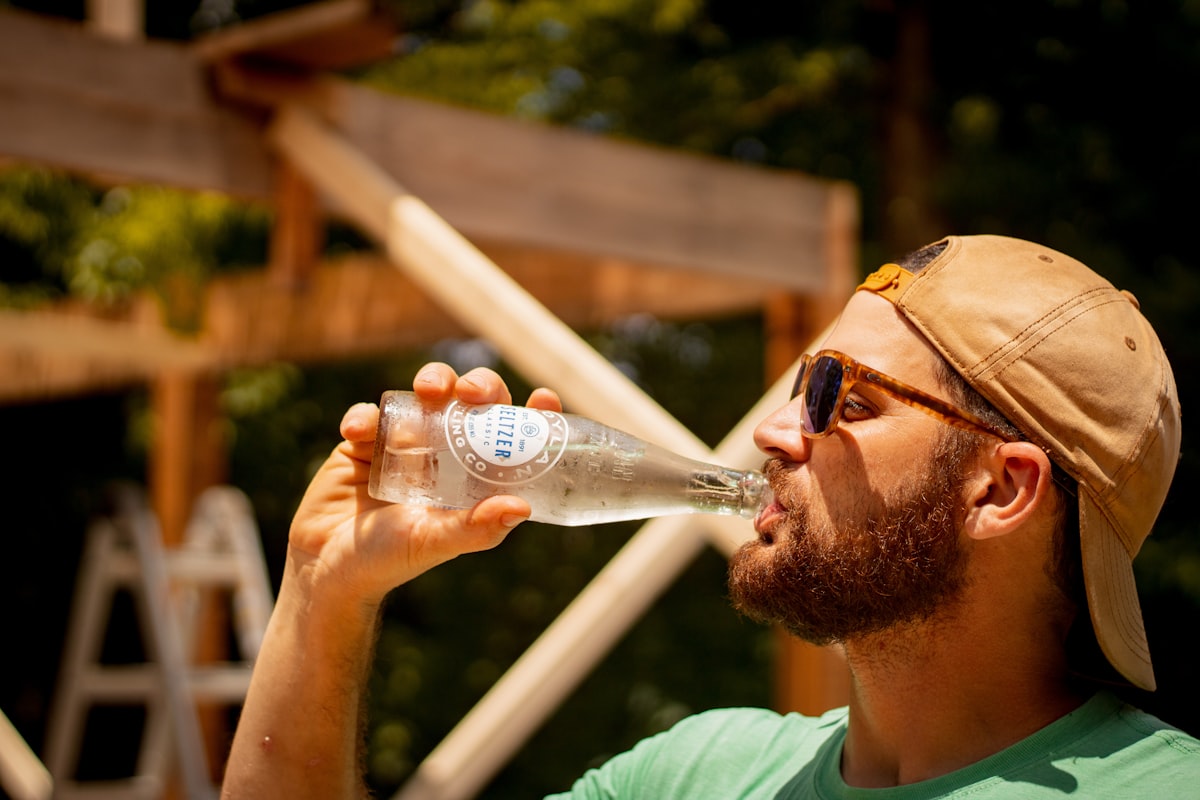
Pro Tip for Consistent Hydration
Spread water intake throughout the day rather than consuming large amounts at once. Aim for 250–500 milliliters every 1–2 hours. This approach supports steady absorption, maintains stable blood volume, and prevents the discomfort of over-hydration.
Pair water consumption with meals and snacks to improve retention and satisfy both hydration and nutritional needs. This habit-stacking approach makes consistent hydration automatic and sustainable.
Common Questions About Male Hydration
Evidence-based answers to frequently asked questions about water intake and men's health
The National Academy of Medicine recommends approximately 15.5 cups (3.7 liters) of total fluid daily for adult men. This accounts for water from beverages and food. However, individual needs vary based on age, activity level, climate, and overall health. Sedentary men in cool environments may require less, while athletes and those in hot climates may need significantly more. The best approach is to use the 3.7-liter recommendation as a starting point and adjust based on thirst, urine color, and performance.
Yes, excessive water consumption without electrolyte replacement can lead to hyponatremia—dangerously low sodium levels in the bloodstream. This condition is rare but serious, typically occurring during endurance events lasting several hours. To avoid hyponatremia, consume electrolyte-containing beverages during extended exercise, limit pure water intake to no more than 400–800 milliliters per hour during activity, and include sodium and other minerals in your diet. Thirst is generally a reliable indicator of hydration needs in most circumstances.
Caffeine has mild diuretic properties, but moderate consumption (up to 400 milligrams daily) does not significantly impair hydration status if total fluid intake is adequate. Coffee, tea, and other caffeinated beverages contribute to daily fluid intake and can support hydration. However, very high caffeine intake (over 600 milligrams daily) may increase urinary water loss slightly. The key is to account for total fluid intake from all sources and adjust water consumption accordingly if you consume significant amounts of caffeine.
Early signs of dehydration include dark urine, persistent thirst, reduced urination, fatigue, dizziness, and difficulty concentrating. Physical performance declines noticeably—strength, endurance, and speed all diminish with even mild dehydration. Headaches and dry mouth are also common indicators. The simplest self-assessment tool is urine color: pale yellow indicates adequate hydration, while dark yellow or amber suggests dehydration. If you experience multiple symptoms, increase water intake gradually and monitor symptoms over 1–2 hours. Severe dehydration with rapid heart rate, extreme confusion, or loss of consciousness requires immediate attention.
Plain water is excellent for basic hydration and should form the foundation of your daily fluid intake. For activities lasting over 90 minutes, sports beverages containing carbohydrates (4–8% solution) and electrolytes (sodium 20–30 millimoles per liter) improve performance and hydration retention. Milk, juice, and herbal tea also contribute to total fluid intake, though they contain additional calories and sugars. Avoid excessive sugary drinks and energy beverages in daily hydration practices. The 80/20 rule works well: 80% plain water for daily needs, 20% from other fluid sources like sports drinks during exercise or other beverages with meals.
Water is essential for muscle protein synthesis, nutrient delivery, and waste removal during recovery. Proper hydration supports amino acid transport into muscle cells, enabling repair and growth after resistance training. Dehydration impairs these processes and reduces strength and endurance performance. Additionally, water helps regulate core temperature during intense training, preventing overheating and protecting muscle tissue. Post-workout hydration is particularly important—consume 400–600 milliliters of fluid for every 0.5 kilograms of body weight lost during exercise to achieve complete rehydration within 2–4 hours. Including sodium in post-workout beverages improves fluid retention and accelerates recovery.
Hydration Sources and Nutrients Visualization
Explore diverse hydration sources and their nutritional composition for optimal male health
 Editor's Choice
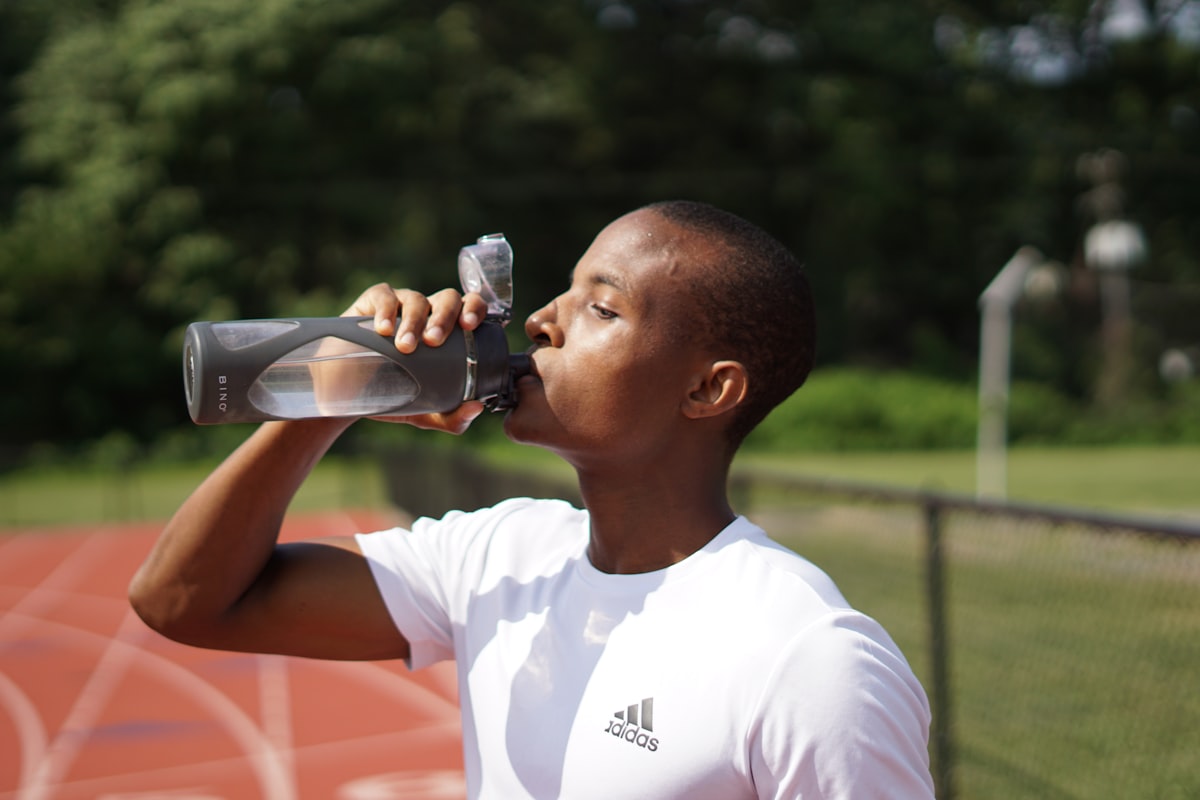
Pure Water
The foundation of hydration—zero calories, no additives. Best consumed throughout the day in consistent amounts to maintain steady blood volume and cellular hydration.
- Hydration efficiency: Optimal
- Electrolytes: None
- Calories: 0
 Top Pick
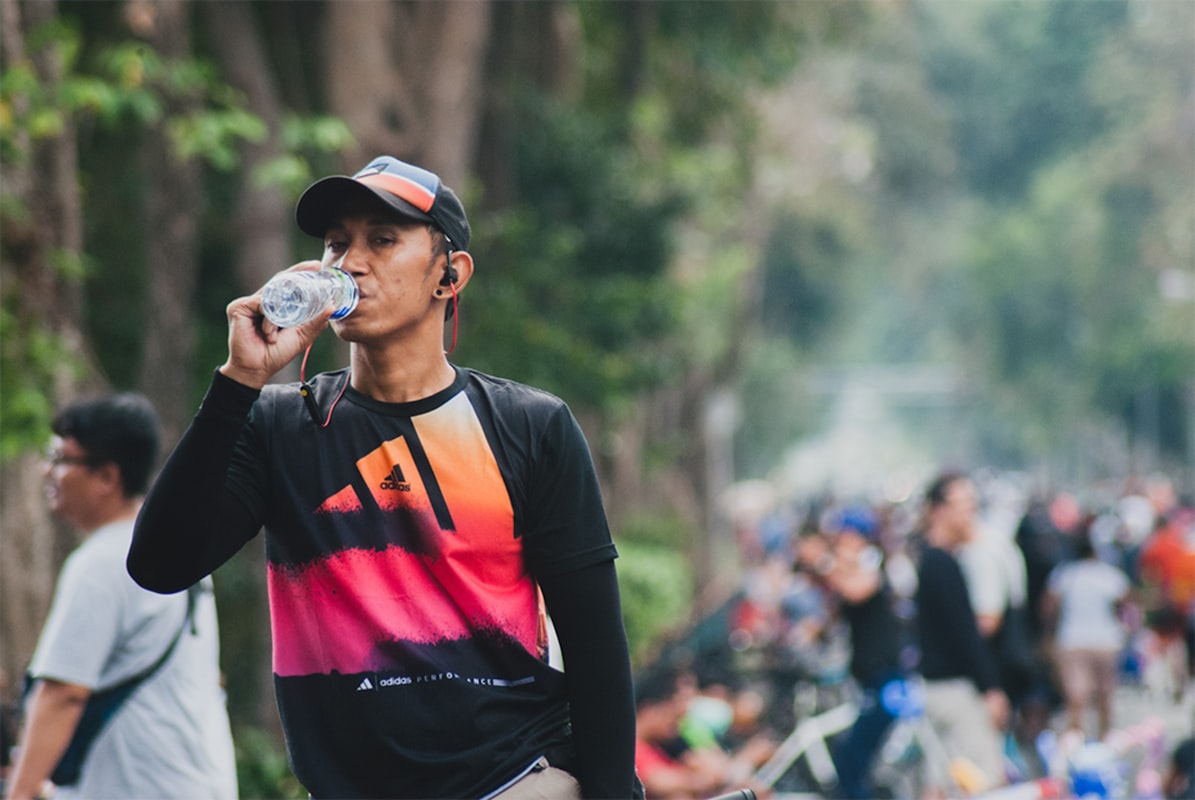
Sports Beverages
Formulated for athletes—contain 4–8% carbohydrates and sodium. Enhance absorption, maintain performance during extended activity, and replace lost electrolytes from sweat.
- Hydration efficiency: Very high
- Sodium content: 20–30 mmol/L
- Calories: 40–80 per 250ml
 Popular
Milk and Dairy
Excellent post-exercise recovery beverage—contains protein, carbohydrates, and naturally occurring electrolytes. Supports muscle repair and rehydration when consumed within 30 minutes of training.
- Hydration efficiency: High
- Protein: 8g per 240ml
- Calories: 100–150 per 240ml
 Recommended
Water-Rich Foods
Watermelon, oranges, cucumbers, and berries—contain 80–95% water plus fiber, vitamins, and minerals. Contribute significantly to daily hydration while providing nutritional value.
- Water content: 80–95%
- Nutrients: Vitamins, minerals
- Calories: Minimal to moderate
 Featured
Coconut Water
Natural electrolyte beverage—rich in potassium and magnesium. Lower sodium than sports drinks but provides faster rehydration than pure water for moderate activity levels.
- Potassium: 600mg per 240ml
- Natural electrolytes: Yes
- Calories: 45–50 per 240ml

Tea and Herbal Infusions
Green, black, and herbal teas contribute to daily fluid intake. Provide antioxidants and phytonutrients. Moderate caffeine content does not impair hydration if total fluid intake is adequate.
- Hydration contribution: Excellent
- Antioxidants: High
- Calories: 0–5 per cup
Real Men Share Their Hydration Insights
Read evidence-based perspectives from men committed to optimal hydration and health

James Mitchell
Fitness Coach, Austin TX
"Proper hydration transformed my workout recovery. I switched to consistent water intake and noticed better muscle performance within two weeks. It's the foundation of everything."

Michael Torres
Personal Trainer, Los Angeles CA
"Hydration isn't just about drinking water—it's about smart supplementation. Strongmanvitpro helped me understand electrolyte balance and how it supports my strength goals."

David Chen
Marathon Runner, Seattle WA
"Endurance athletes need hydration science. This guide broke down everything—from pre-workout timing to post-exercise recovery. Game-changing for my performance."

Robert Williams
CrossFit Athlete, Denver CO
"I used to guess about hydration during intense workouts. Now I have a science-backed system. My endurance has improved, and I recover faster than ever."
Your Hydration Blueprint Starts Today
Stop guessing about your hydration needs. The Strongmanvitpro hydration system provides science-backed strategies tailored for men who take their health seriously.
- Personalized hydration plans based on your activity level
- Daily tracking tools to monitor intake and optimize performance
- Expert guidance on electrolytes, timing, and supplementation
- Community support from thousands of men optimizing their health

Track Daily
Stay accountable with smart hydration monitoring
Hydration Questions Answered
How much water should I drink daily?
General guidelines suggest 8-10 glasses (64-80 oz) daily, but optimal intake depends on activity level, climate, and individual metabolism. Athletes may need significantly more. Use the Strongmanvitpro hydration calculator to determine your personalized target.
When is the best time to drink water?
Consistency is key. Drink water throughout the day rather than large amounts at once. Pre-workout: 16-20 oz 2-3 hours before; during: 7-10 oz every 10-20 minutes; post-workout: 16-24 oz within 30 minutes of finishing.
Do I need electrolytes or sports drinks?
For workouts under 60 minutes, plain water is sufficient. For extended exercise or hot conditions, electrolyte drinks help maintain performance and recovery. Choose low-sugar options with sodium, potassium, and magnesium.
Can drinking too much water be harmful?
Hyponatremia (water intoxication) is rare but possible with extreme overconsumption combined with high sweat loss. Drink to thirst cues and monitor your hydration status. Strongmanvitpro provides safe, evidence-based guidelines to prevent this.
How does hydration affect muscle growth?
Muscles are 75% water. Proper hydration supports nutrient transport, reduces fatigue, and enables stronger contractions during workouts. Dehydration impairs protein synthesis and recovery. Optimal hydration is non-negotiable for muscle development.